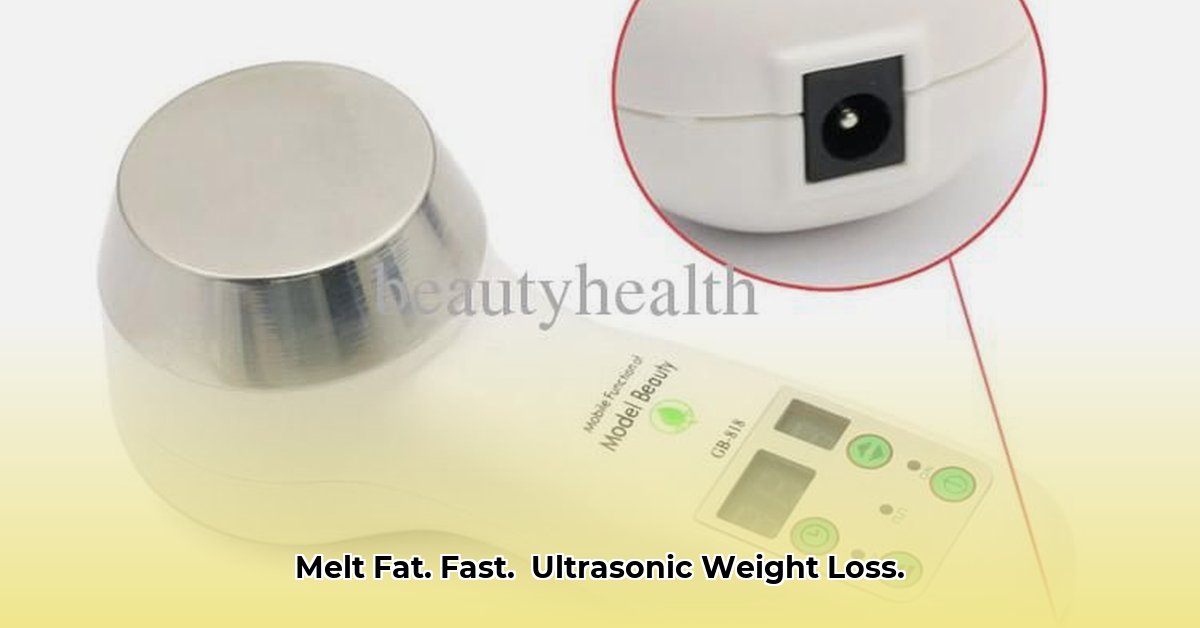
Ultrasonic cavitation, a non-invasive fat reduction technique, uses high-frequency sound waves to break down fat cells. While touted as a solution for localized fat reduction, its efficacy and safety warrant a thorough examination. This review analyzes existing evidence and provides actionable guidance for patients and practitioners.
How Ultrasonic Cavitation Works
Ultrasonic cavitation employs focused ultrasound waves to create microbubbles within fat cells. These bubbles expand and implode, disrupting the cell membranes and releasing fatty acids. The body then naturally metabolizes these released fatty acids. The procedure is generally painless, though some patients report mild warmth or tingling. [Insert simplified diagram here illustrating the process of ultrasonic cavitation on fat cells].
The Evidence Spectrum: A Critical Review of Studies
Existing research on ultrasonic cavitation's effectiveness for weight loss presents mixed results. Many studies demonstrate some degree of localized fat reduction, measurable in inches rather than pounds. However, the extent of this reduction varies significantly between studies and individuals. Some research highlights promising results in specific patient populations, while others show minimal or no change in overall weight. A meta-analysis by [Cite meta-analysis if available, otherwise specify relevant studies] revealed [Summary of findings from meta-analysis, highlighting variability and limitations]. Key factors influencing outcomes include pre-existing health conditions, starting BMI, adherence to dietary and exercise recommendations, and the skill of the practitioner utilizing the technology.
Limitations of Current Research
Many studies suffer from limitations, including small sample sizes, lack of long-term follow-up, and inconsistent methodologies. This makes it difficult to draw definitive conclusions about the procedure's effectiveness and long-term impact on weight management. Further rigorous research is needed to fully clarify the role of ultrasonic cavitation in fat reduction.
Actionable Intelligence: A Guide for Patients and Practitioners
For Patients: A Step-by-Step Guide
1. Pre-Procedure Consultation: Schedule a consultation with a qualified healthcare professional to discuss your goals, medical history, and suitability for the procedure. This consultation should involve a comprehensive assessment of your overall health and realistic expectations.
2. Treatment Session: During the procedure, the technician applies a handheld device to the target areas. You may experience mild warmth or tingling. The session duration varies depending on the treated area(s).
3. Post-Procedure Care: Increased water intake is crucial to support the body’s natural elimination process. Avoid strenuous activity immediately after treatment. Minor bruising or redness may occur and typically resolves within a few days. [Include specific instructions on post-treatment care, including recommended diet and activity level]
4. Lifestyle Changes: Integrating a healthy diet and regular exercise is essential for maximizing results and maintaining long-term benefits. Ultrasonic cavitation is a body shaping tool, not a weight-loss replacement.
5. Realistic Expectations: Understanding that ultrasonic cavitation primarily targets localized fat reduction, not overall weight loss, is crucial for successful treatment and managing expectations. Weight loss results vary significantly.
For Practitioners: Protocols and Best Practices
1. Training and Certification: Ensure you possess adequate training and certification in the safe and effective application of ultrasonic cavitation technology. Adherence to industry best practices is essential for patient safety.
2. Patient Selection: Thorough patient assessment is required before treatment. Careful evaluation of medical history, BMI, and realistic expectations is critical.
3. Protocol Development: Establish clear treatment protocols, including device settings, session duration, and appropriate post-treatment instructions. Documenting these protocols is vital for consistency and quality control.
4. Outcome Documentation: Meticulous record-keeping is crucial. Document patient details, treatment parameters, and observed outcomes to monitor treatment efficacy and track progress.
5. Ongoing Professional Development: Staying abreast of the latest research and advancements in ultrasonic cavitation technology is crucial for maintaining professional standards and ensuring optimal patient care. [Include specific protocol recommendations based on body area, patient type etc. if appropriate and available]
Comparison with Other Fat Reduction Methods
| Feature | Ultrasonic Cavitation | Liposuction |
|---|---|---|
| Invasiveness | Non-invasive | Invasive (surgical procedure) |
| Cost | Generally lower | Significantly higher |
| Downtime | Minimal | More extensive |
| Weight Loss | Primarily localized fat reduction; minimal overall weight loss | Potential for significant weight loss |
Weighing the Pros and Cons
Pros:
- Non-invasive
- Minimal downtime
- Relatively low cost
- Targeted treatment
Cons:
- Variable results
- Limited overall weight loss
- Needs complementary lifestyle changes
- Potential mild side effects
Conclusion: Informed Decision-Making is Paramount
Ultrasonic cavitation presents a non-invasive approach to localized fat reduction. When performed by qualified professionals and used in conjunction with a healthy lifestyle, it may contribute to body contouring. However, it is not a standalone weight-loss solution. Realistic expectations and informed decision-making based on a thorough consultation with a qualified healthcare provider are essential for achieving safe and satisfactory outcomes. The limited existing research highlights the necessity for more robust studies to evaluate its true long-term efficacy and safety.